
Neuroaesthetics in Interior Design: How Brain Responds to Spaces
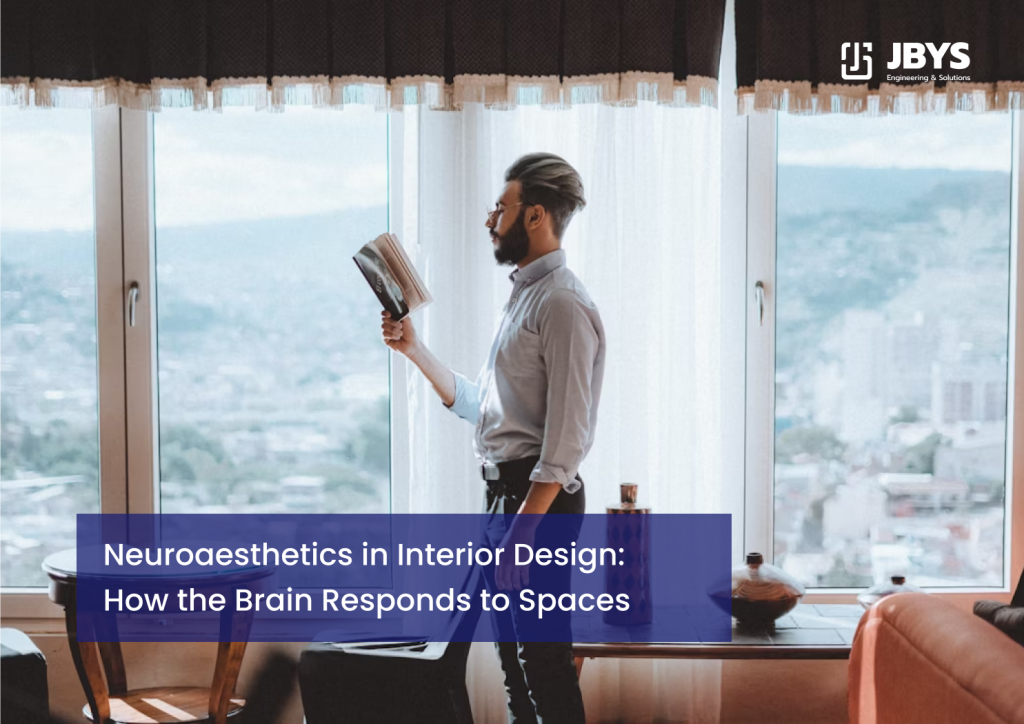
Interior design doesn’t just change how a room looks—it changes how we feel and think. This connection is at the heart of neuroaesthetics in interior design, an emerging field that studies how the brain responds to visual, spatial, and sensory elements in the built environment. By blending neuroscience with design, we can create spaces that […]
Indoor Air Quality Design: What Every Homeowner Should Know
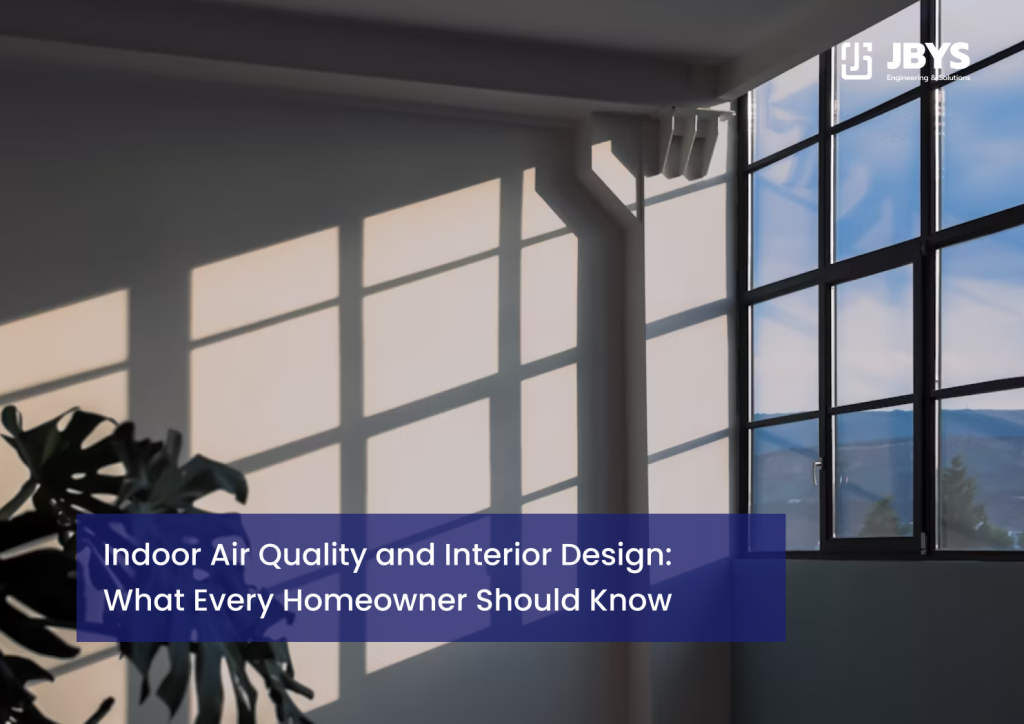
When we think about interior design, style and functionality often come to mind. But there’s another crucial factor that directly affects health and comfort: indoor air quality. Thoughtful indoor air quality design ensures that homes are not only beautiful but also safe, breathable, and conducive to well-being. 1. Why Indoor Air Quality Matters According to […]
Adaptive Reuse in Interior Design: Giving Old Spaces a New Life
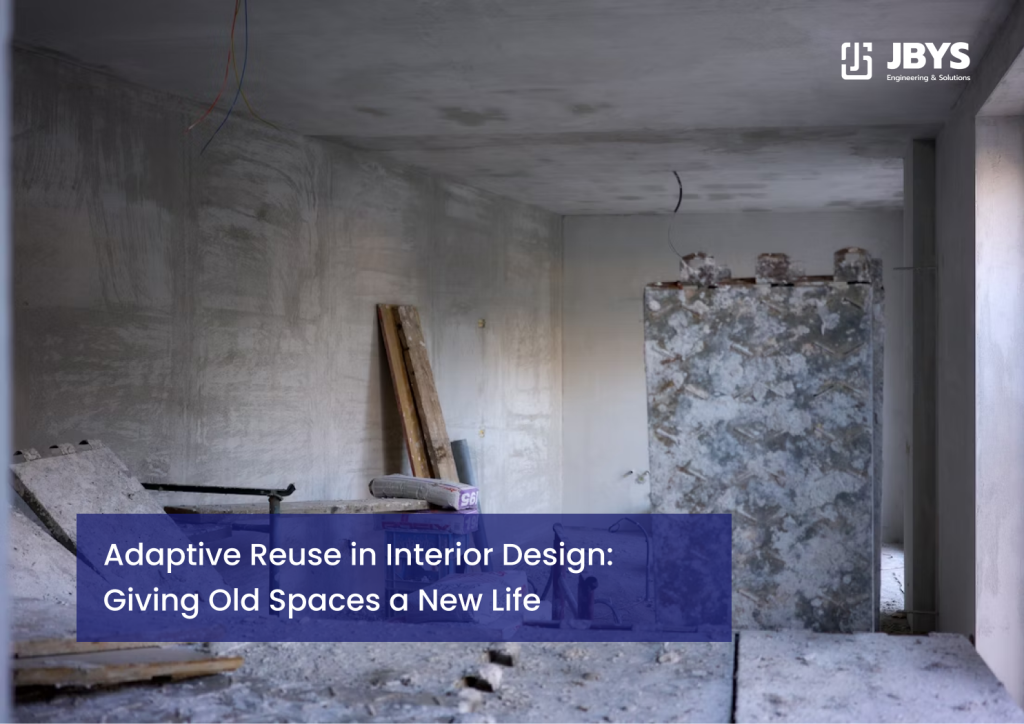
In today’s design landscape, sustainability and creativity go hand in hand. One powerful approach is adaptive reuse in interior design—the practice of transforming old buildings, materials, or furniture into renewed, functional spaces. This not only preserves cultural heritage but also reduces environmental impact while offering unique design solutions. 1. What Is Adaptive Reuse in Interior […]
Science of Circulation: Movement Patterns Influence Interior Layout
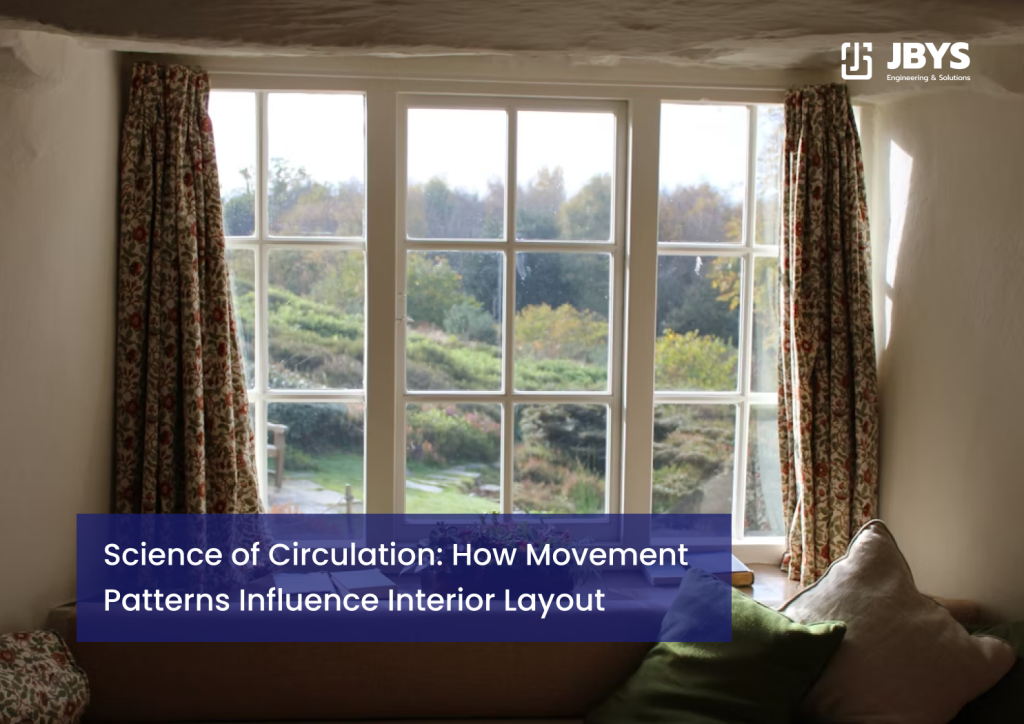
Interior design is not only about colors, furniture, or style—it’s also about how people move through a space. The science of circulation examines the flow of human movement within interiors and its impact on comfort, efficiency, and interaction. A well-planned circulation layout can enhance functionality, reduce stress, and even influence behavior. 1. Why Circulation Matters […]
Designing for Aging: Interior Solutions for Elderly-Friendly Homes
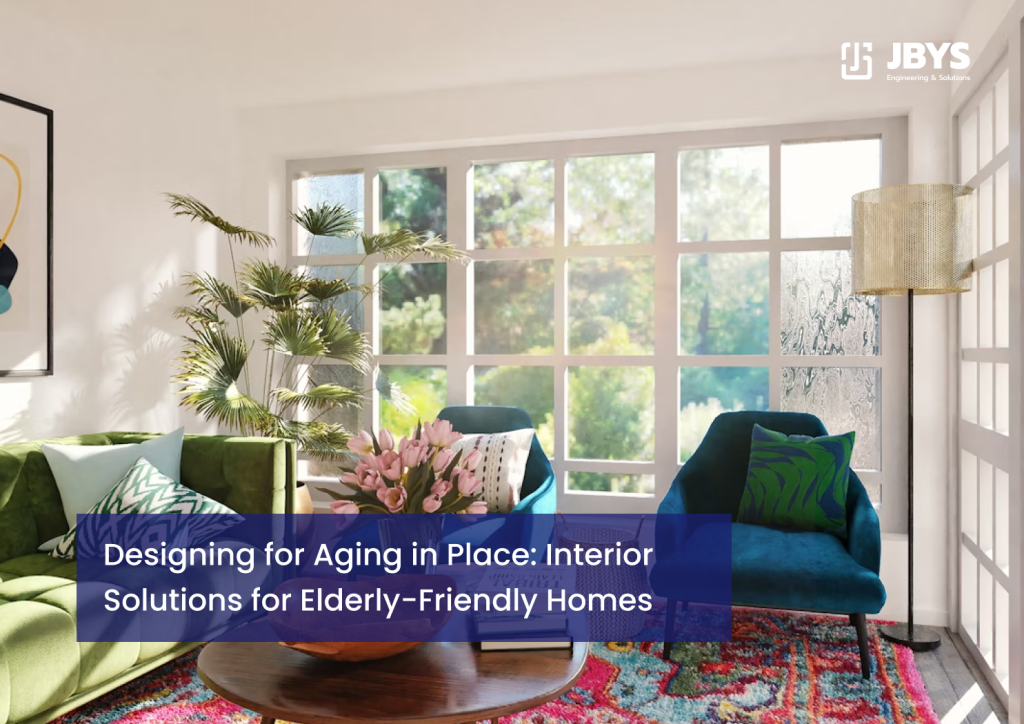
As populations age worldwide, the concept of aging in place—living safely and comfortably in one’s own home for as long as possible—has become increasingly important. Designing elderly-friendly homes goes beyond convenience; it directly impacts independence, safety, and emotional well-being. 1. Why Elderly-Friendly Design Matters According to the World Health Organization (WHO), by 2030, 1 in […]
Psychology of Space: Interior Design Shapes Human Emotions
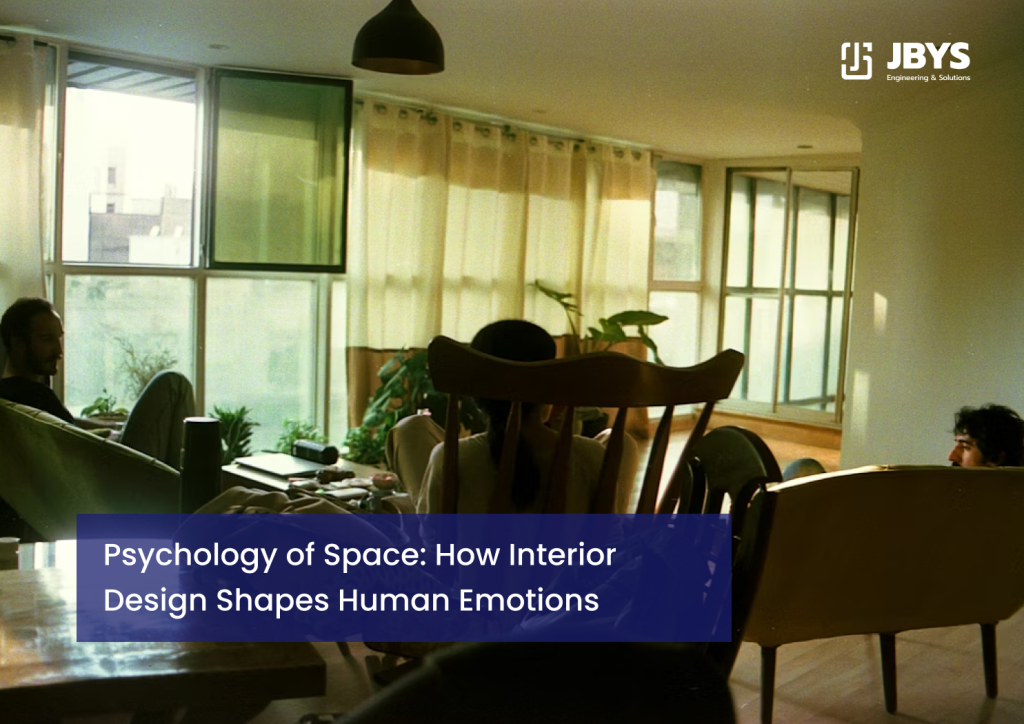
The way we design spaces is not just about aesthetics—it profoundly impacts how people feel, behave, and connect with their surroundings. This is the essence of the psychology of space. From color choices and lighting to furniture arrangement and acoustics, interior design can evoke emotions, influence productivity, and even affect well-being. 1. Colors and Emotional […]
Maximizing Small Space: Interior Design for Compact Homes
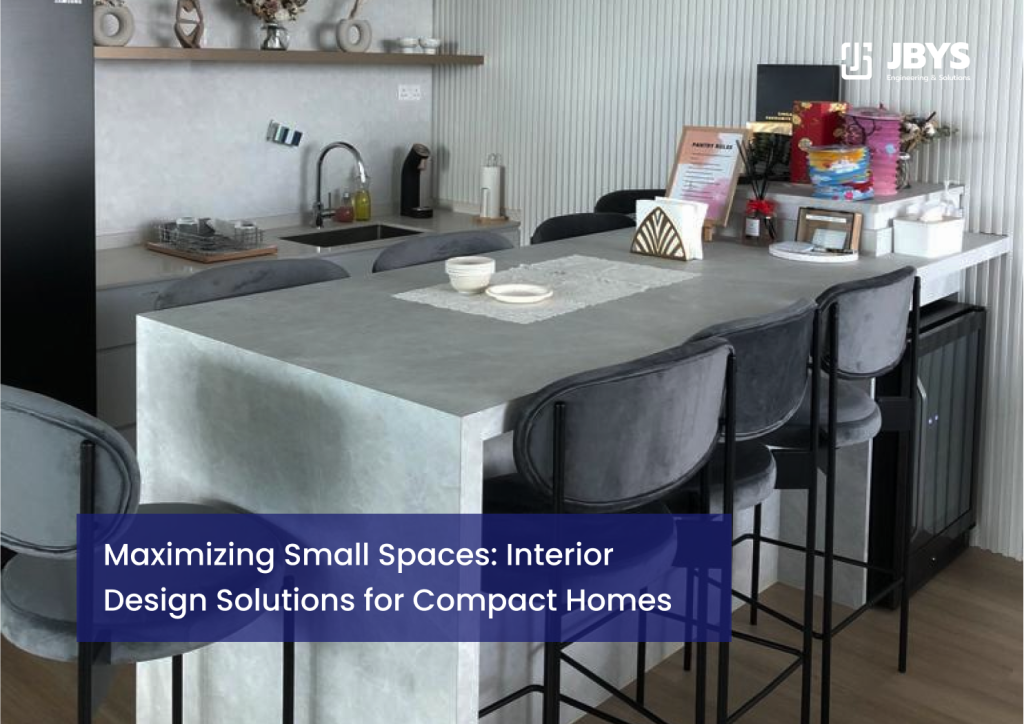
With urban living on the rise and real estate prices climbing steadily, many homeowners in Singapore are embracing compact living. The average size of a new condominium unit in Singapore has shrunk from over 1,000 square feet in 2007 to under 750 square feet in recent years (URA, 2022). As space becomes a premium, interior […]
Designing for Senses: Creating Multisensory Interior Experiences
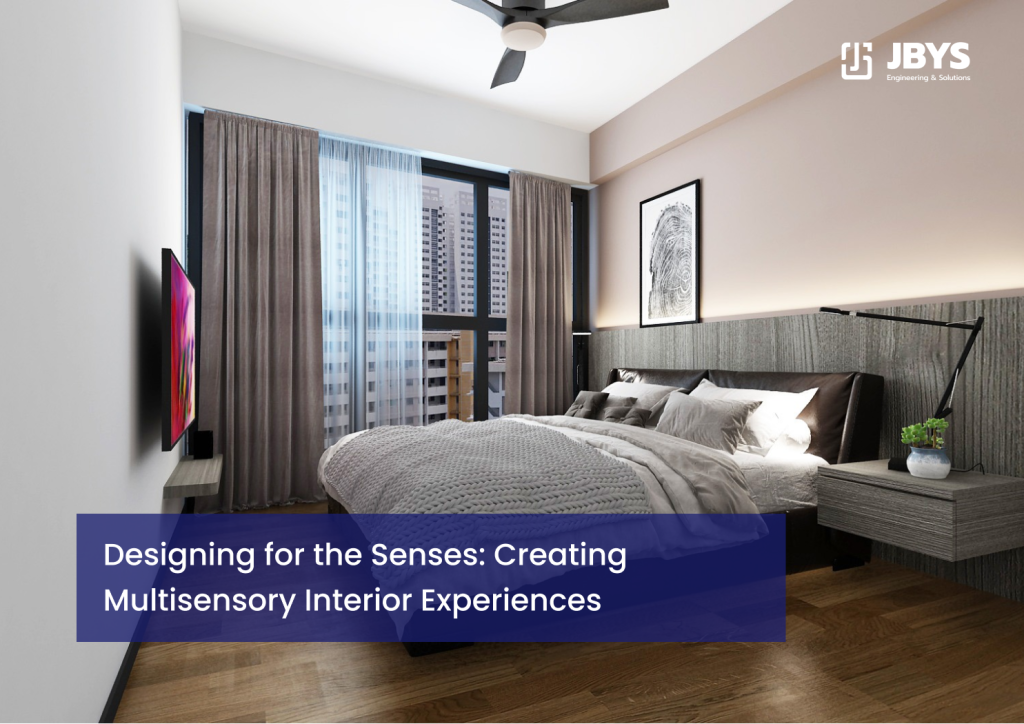
In an age where people crave more than just visual aesthetics, interior design is evolving into a fully immersive art form. Today, leading designers are moving beyond looks alone and embracing the power of multisensory interior experiences—spaces that engage not just the eyes, but also the ears, skin, nose, and even taste. Designing for the […]
Color Theory in Interior Design: How Colors Affect Mood
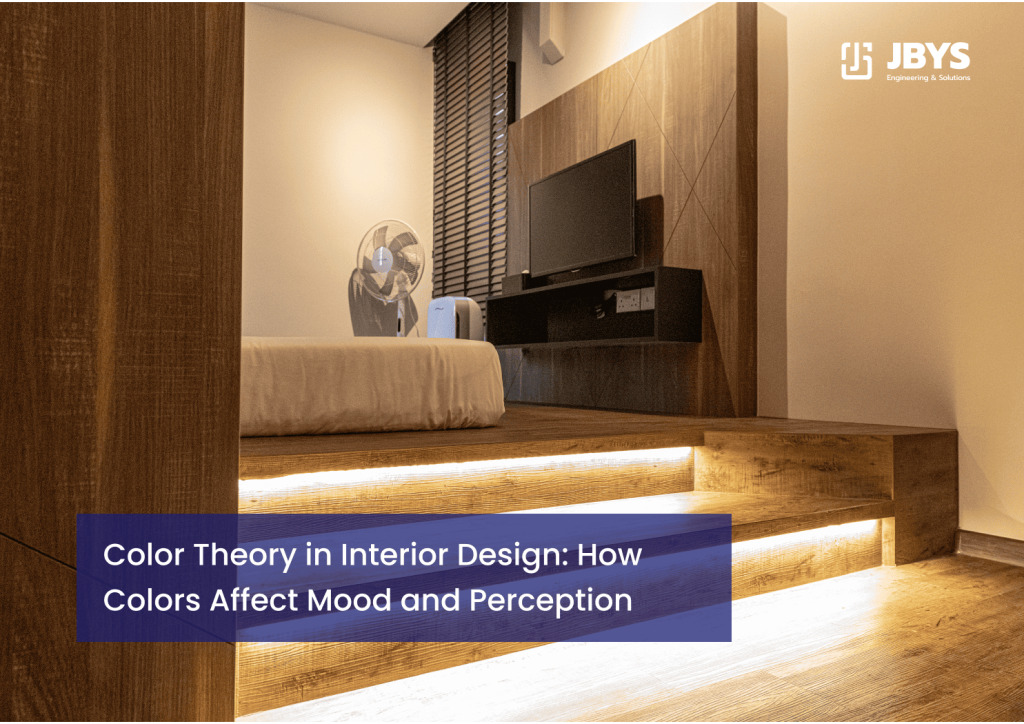
Color is one of the most powerful tools in a designer’s toolkit. It can influence emotion, shape perception, and impact how people interact with a space. In the world of interiors, understanding the color theory in interior design is not just an artistic pursuit—it’s a science-backed strategy that informs everything from wall paint to furniture […]
Role of Ergonomics in Interior Design for Homes & Workspaces
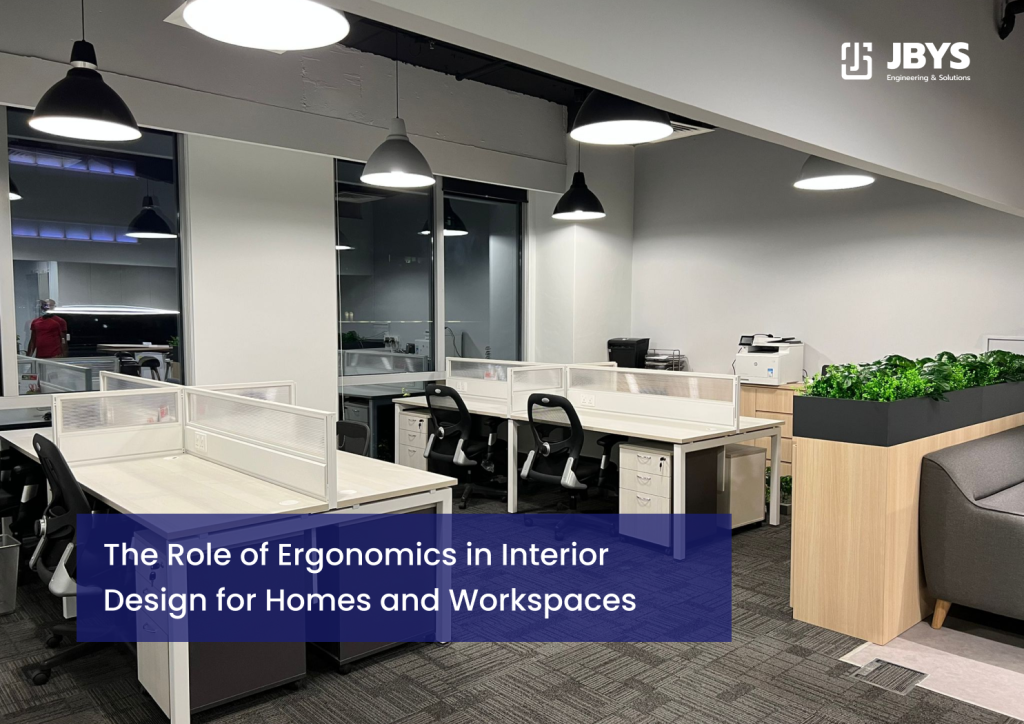
In today’s fast-paced world where people spend more time at home and at workstations than ever before, comfort, functionality, and well-being have become central to design thinking. One concept that bridges these priorities is ergonomics in interior design. While often associated with office chairs and desks, ergonomics encompasses much more—it is a design philosophy that […]